
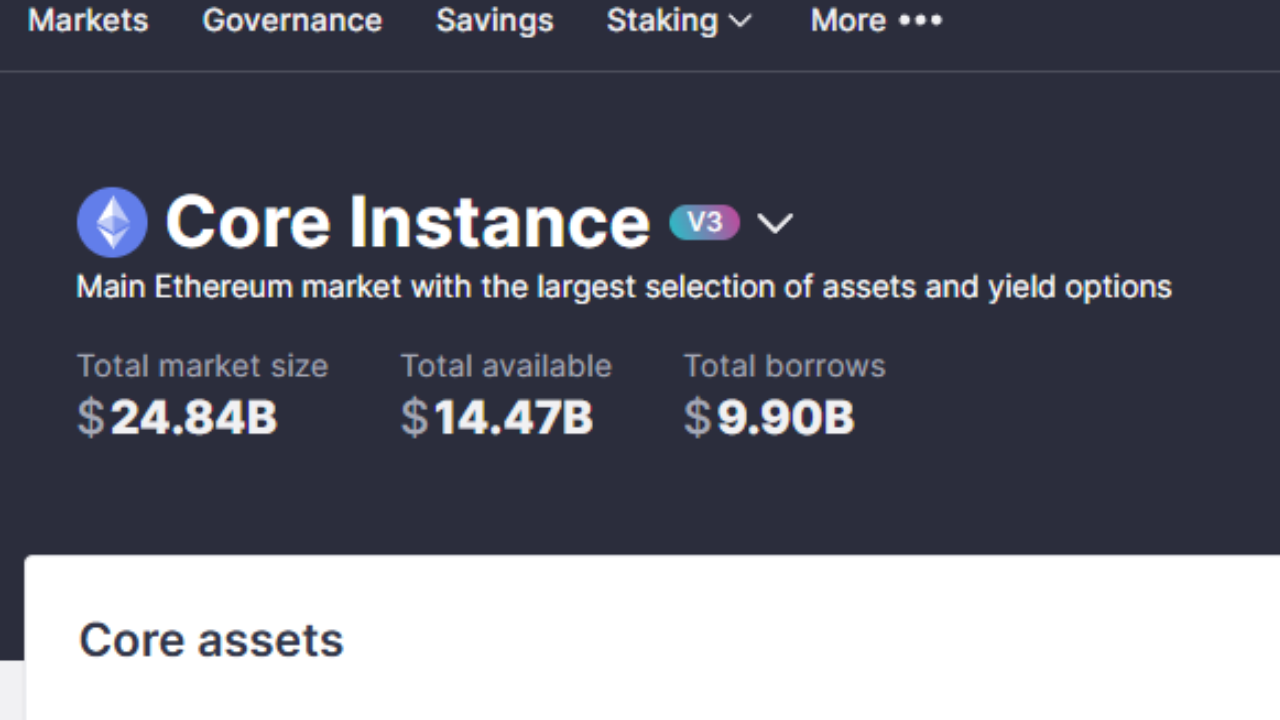

Yes, this sounds too good to be true, but it works! I’m not recommending that anyone do this without proper knowledge, but if you already have crypto stacked up and want to keep growing it without ever selling, this strategy can work really well for you.
Did you know your crypto sitting idle in your wallet could be working a lot harder for you? That question is exactly what led me to discover how I use NFT games to borrow dollars and grow my Web3 net worth, without selling a single coin.
Most people who play NFT games only think about selling the tokens they earn and pocketing the profit. But there’s a much more interesting path, at least for me: turning those earnings into collateral and using that collateral to take out a loan, keeping your crypto invested while using the borrowed cash for other things.



How I Use NFT GAMES to Borrow DOLLARS and Grow My NET WORTH in WEB3
In this article, I’ll walk you through, step by step, how this strategy works, what risks are involved, and how I personally apply it in my day-to-day life in Web3.
What it means to borrow dollars using NFT games
When you play an NFT game, you typically earn rewards in the game’s own tokens or in other cryptocurrencies. Here’s the real trick: what you do with those tokens afterward.
Instead of selling right away, the strategy is to convert part of those earnings into blue-chip cryptocurrencies, like BTC, ETH, or BNB. After that, you deposit those coins into a decentralized lending platform, like Aave, and use that value as collateral to take out a dollar-denominated loan, like USDT.
You stay the owner of your crypto, it keeps appreciating in the market, and you still end up with cash in hand to use however you want.
See also:
How to Make Money Playing Games in 2026 (I Did It)
Games That Pay Real Money in 2026: The Web3 Titles Turning Playtime Into Income
How to Make Money Playing Chainers: The Best Web3 Farming Game Right Now
How to Make Money With NFT Games Using a Blog
How I Reached 1.9 Million Yellow Coins a Month on AdFyHub (And What’s Next)
Why this strategy works better in a bear market
One of the most important parts of how I use NFT games to borrow dollars and grow my Web3 net worth is timing.
This strategy works especially well when the market is down. That’s because when the rally hits, your collateral’s value rises right along with it. In other words, you win twice: once from the loan you’re already using, and again from the appreciation of the collateral you deposited.
And while all that plays out, you don’t have to worry about a monthly bill.
There’s no fixed repayment term for this kind of loan on Aave. You pay it back whenever you want, however you want, and the interest rates tend to be pretty low precisely because you’ve left real collateral parked on the platform.
How to turn your NFT game earnings into collateral
The process I follow is fairly simple and can be replicated by anyone who already has some experience with crypto.
First, I play the NFT games normally, stacking up reward tokens through daily quests and events. Then I convert part of those earnings into more established coins, like BTC, ETH, or BNB.
Next, I deposit those coins into Aave as collateral. From there, I request the loan, usually in USDT or USDC, to use for other investments or even everyday expenses.
That borrowed money can be reinvested back into the games themselves, used to buy products to flip, or simply held to build up a position before the next market rally.
The risks you need to know before getting started
No financial strategy is risk-free, and crypto-backed loans are no exception.
The first risk is a drop in your collateral’s value. If you left BTC as collateral and its price falls hard, getting close to the amount you borrowed, you run the risk of liquidation. That means the platform can automatically sell off part of your collateral to cover the loan.
The second risk has to do with the platform itself. Hacks, bugs, and security flaws, while rare, can’t be ruled out. Aave is considered one of the safest platforms out there, with thousands of whales holding millions of dollars deposited on it, but no system is 100% failure-proof.
That’s why I never recommend putting your entire net worth up as loan collateral.
How to reduce the risks in practice
There are a few simple rules I follow to significantly lower my chances of getting liquidated.
The first is to only use blue-chip coins as collateral, like BTC, ETH, or BNB. They’re far more reliable than small-cap altcoins, and the odds of them going to zero are essentially nil. SOL is also a popular choice for this strategy.
The second rule is to never borrow an amount close to the full value of your collateral. Personally, I stick to this safety margin:
If I deposit $100 in BTC as collateral, I borrow between 25% and 30% of that, max.
Sticking to that margin drastically lowers the chance of liquidation, even in a sharp market downturn.
A third tip is to check the value of your collateral regularly. If the market starts dropping sharply, you can choose to deposit more collateral or pay down part of the loan early to protect your safety margin.
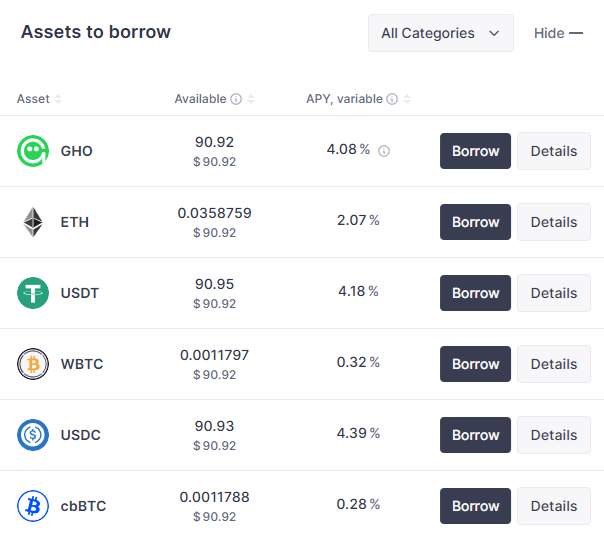
Below you can see the annual interest rates charged by the platform. They fluctuate up and down daily, but they generally sit between 4% and 7% a year.
What’s the borrowed money actually for?
This is the part that raises the most questions for beginners: what do you actually do with the borrowed USDT?
In practice, everyone uses it differently. Some people deposit part of their paycheck and borrow to cover their monthly bills. Others, better off financially, use it to buy a car or a house, do renovations, or even travel. Some reinvest all of it into assets outside of Web3, or back into the NFT games themselves to speed up their account’s growth.
The real advantage of this strategy is that you don’t have to sell your crypto to have cash in your pocket.
This practice has been used by investors since 2021, but it’s still not widely known outside the more advanced circles of Web3.
How to get your collateral back over time
As you pay off the loan, whether in installments or all at once, you gradually regain access to the crypto that was sitting as collateral on Aave.
That means this strategy isn’t permanent. You can step in and out of it depending on your financial needs and your read on the market, always staying fully in control of the process.
Learning how to use NFT games to borrow dollars and grow my Web3 net worth completely changed the way I approach crypto.
Instead of selling assets and losing my market exposure, today I use my game earnings as a smart leverage tool, always respecting safety margins and prioritizing blue-chip coins as collateral.
It’s a strategy that demands discipline and a solid understanding of the risks, but when applied correctly, it lets you keep your crypto invested while using borrowed money to grow on other fronts.
If this content helped you understand this space better, drop a comment below with your experience, and stay tuned for more articles on Web3 strategies.
Disclaimer: this content is for informational purposes and reflects personal experience. It does not constitute investment advice. Cryptocurrencies carry risk, including the possibility of total loss of capital. Do your own research before making any financial decisions.
See also:
How to Mine Cryptocurrency Online with Virtual Mining Games
How to Earn Money Playing AdFyHub: The Complete Beginner’s Guide
Frequently Asked Questions
1 – Do I need to sell my crypto to take out this loan?
No. The whole point of this strategy is to avoid selling in the first place. You deposit your coins as collateral and receive the loan without giving up your position.
2 – Is there a repayment deadline for Aave loans?
There’s no fixed deadline and no monthly bill. You pay whenever you want, as long as you keep an eye on your collateral margin.
3 – Can any cryptocurrency be used as collateral?
Technically yes, but it’s best to use blue-chip coins like BTC, ETH, SOL, or BNB, since they’re the most reliable and lower your risk of liquidation.
4 – What happens if my collateral’s value drops a lot?
If the value gets too close to the amount you borrowed, you run the risk of liquidation, where part of your collateral, or all of it, gets automatically sold off to cover the loan. To avoid this, you can repay the loan (or part of it) or deposit more collateral.
5 – How much of my net worth should I put up as loan collateral?
I never recommend using your entire net worth. It’s best to only use a portion of your holdings or monthly earnings, keeping the rest out of harm’s way. But always do your research before diving in.