

How to Make Money with NFT Games Using a Blog is not about finding a shortcut to easy money. It is about building an asset that can continue generating opportunities while you play. A blog can help you earn through game referral programs, advertising, partnerships, affiliate offers, and other forms of monetization.
What if playing NFT games was only one part of your earning strategy? Most players enter a Web3 game thinking about what they can earn inside the game.
They complete quests, collect assets, build their accounts, and wait for their rewards to grow. But there is another opportunity that many players overlook: creating content about the games they already play.
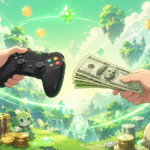
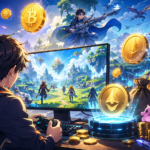
The most interesting part is that you can potentially earn from both sides: playing the game and helping other people discover it.
Can You Really Make Money with NFT Games and a Blog?
Yes, you can potentially make money by combining NFT gaming with content creation, but it requires time, consistency, and a long-term strategy. Many serious Web3 games allow players to start for free. Some also offer referral programs that reward existing players when they bring new users into the ecosystem.
This creates an interesting opportunity.
Instead of simply playing a game, you can create tutorials, guides, reviews, beginner articles, strategy posts, and news about that same game.
Someone searches Google for a question such as “How do I start this NFT game?” They find your article, read your guide, click your referral link, and create an account.
You have just turned content about something you already enjoy into a potential source of income.
See also:
How I Reached 1.9 Million Yellow Coins a Month on AdFyHub (And What’s Next)
How to Mine Cryptocurrency Online with Virtual Mining Games
How to Earn Money Playing AdFyHub: The Complete Beginner’s Guide
How Do NFT Game Referral Programs Work?
NFT game referral programs usually reward players for bringing new users into a game through a unique referral link.
The exact rules vary from one project to another, but common models include receiving a percentage of certain rewards generated by referred players or receiving a percentage related to deposits made by those users.
The first model can be particularly interesting for long-term players.
Imagine that you refer 10 people to a game. Those players continue playing for months, and the game rewards you according to its referral system.
Now imagine doing the same thing with 100 or 1,000 players over time.
The value of content is that one article can potentially introduce your referral link to new people long after you publish it.
Deposits can also generate referral rewards in some games. However, depositing money is usually optional for the player and depends entirely on the game’s economy, the user’s strategy, and their confidence in the project.
Personally, I prefer to start by playing for free and understanding the project before deciding whether it deserves further investment.
Why Is Creating Content More Powerful Than Only Playing?
Playing a Web3 game can generate rewards, but your earning potential is often connected to the amount of time and resources you put into the game.
Content works differently.
When you create a useful article, video, tutorial, or guide, that content can continue attracting people through search engines and social media.
One player can earn from their own activity. A content creator can potentially earn from their own activity plus the activity generated by an entire audience.
That is why content creation can accelerate growth inside NFT gaming communities. Suppose you discover a promising Web3 game early. You can simply play it.
Or you can play it, document your progress, publish guides, create videos, share your experience, and place your referral link where it makes sense.
The second strategy creates additional opportunities without requiring you to abandon the game itself.
How to Make Money with NFT Games Using a Blog Over the Long Term
The best approach is to think of your blog as a long-term digital asset rather than a machine that produces immediate income.
You can start by choosing a few games that you genuinely believe are worth covering. Then create useful content around them.
For example:
- How to start playing the game
- How the game’s economy works
- How to earn in the game
- Beginner strategies
- NFT guides
- Game updates
- Game reviews
- Free-to-play strategies
- Best assets for beginners
- Referral program explanations
- Personal progress reports
- Comparisons with other Web3 games
This type of content can attract people at different stages of the player journey. A beginner may search for a tutorial. An experienced player may search for an advanced strategy. Someone considering the game may search for a review.
Each search represents a potential opportunity to introduce that person to your content and, when appropriate, your referral link.
Can a Blog Generate More Than Referral Income?
Yes. Referral income is only one possible monetization method. Once your blog begins attracting consistent traffic, you can potentially add several other revenue streams.
Google AdSense is one example. Advertisements can generate revenue based on the traffic your website receives and the advertising market associated with your visitors. Partnerships are another possibility.
A Web3 game, NFT project, marketplace, wallet, hosting company, or other company in the ecosystem may eventually become interested in reaching your audience.
You can also explore affiliate programs, sponsored content, digital products, newsletters, communities, and other legitimate business models. The important point is diversification.
You do not have to depend entirely on the game itself to make money from the audience you build around it.
What Should You Write About on a Web3 Gaming Blog?
The best content usually answers questions that real players are already asking.
Instead of publishing articles that simply say a game is “amazing” or “profitable,” create content that solves specific problems. For example, imagine someone discovers a new NFT game.
They may immediately ask:
- “Is this game free to play?”
- “How do I create an account?”
- “How do I earn rewards?”
- “Are NFTs required?”
- “How does the referral system work?”
- “Is the game still active?”
- “How does the economy work?”
- “Can I withdraw my rewards?”
Those questions can become individual articles.
The more useful questions you answer, the more opportunities your website has to attract people searching for information about the game.
How Can SEO Help NFT Game Players Get More Referrals?
SEO can help your articles appear when people search Google and other search engines for information about Web3 games.
The goal is not simply to repeat keywords. Your content should provide the best possible answer to the user’s question.
For example, instead of writing a generic article titled “Everything About Game X,” you could create more specific articles such as:
- “How to Start Game X as a Free Player”
- “How Does the Game X Referral Program Work?”
- “How to Earn Your First Rewards in Game X”
- “Game X Beginner Guide”
- “Is Game X Worth Playing in 2026?”
These topics have clear search intent. You can then naturally connect the articles together. A beginner guide can link to your strategy guide. Your strategy guide can link to your referral article.
Your referral article can explain how the referral system works. This creates a content ecosystem instead of a collection of disconnected articles.
Should You Create Content About Every NFT Game?
No. Covering fewer games deeply can often be more useful than publishing shallow content about dozens of projects.
Choose games that have an active community, interesting mechanics, regular updates, and enough search interest to justify creating content.
You should also research the project’s referral system before investing significant time into content.
If a game has no meaningful referral opportunity, it may still be worth covering for traffic, advertising, partnerships, or audience growth.
But if your strategy specifically depends on referrals, the referral program becomes an important part of your research.
Can You Start Without Spending Money?
Yes, you can start a blog and cover free-to-play Web3 games without immediately investing money into the games. This is one of the strategies I find most interesting.
Start with your time before you start with your money.
- Play the game.
- Understand the mechanics.
- Test the free experience.
- Create useful content.
- Build an audience.
Then, if you believe the project has potential and you are comfortable with the risks, you can decide whether investing your own money makes sense.
Some players may choose to make deposits, purchase NFTs, or upgrade their accounts. Others may remain completely free-to-play.
There is no requirement that every player follow the same path. Why I Prefer to Start Free. When I discover a new NFT game, I prefer to start for free.
This gives me time to understand the project before putting money into it.
If I like the game, I can begin creating content around it. That content can bring new players through my referral link while I continue learning about the ecosystem.
If the project proves interesting over time, I may decide to deposit money myself. And if the referral system rewards deposits, the person who introduced me to the game can potentially benefit as well.
This creates a positive cycle.
I discover a game, I play it, I create content about it, other people discover it through my content, and the community grows.
That is much more interesting to me than simply jumping from one project to another looking for quick profits.
If you are already playing NFT games, look at the games you use today and check whether they have referral programs. You may already be sitting on a content opportunity without realizing it.
How Long Does It Take to Make Money With an NFT Gaming Blog?
There is no guaranteed timeline. A new blog may take months to build meaningful search traffic, especially when competing for popular keywords.
Some articles may receive almost no traffic at first. Others can eventually rank well and bring visitors consistently.
That is why this strategy requires patience. You are building two things at the same time: your knowledge of Web3 gaming and your digital audience.
The more useful content you publish, the larger your library becomes. Over time, older articles can continue attracting visitors while you publish new ones.
This is one of the biggest differences between creating content and simply playing a game. Your progress inside a game may depend on what you do today.
Your content can potentially keep working tomorrow.
How Can You Combine YouTube and a Blog?
You do not have to choose between YouTube and blogging. They can support each other. A YouTube video can explain how to start a game while the blog contains a detailed written guide.
The article can include the video.
The video description can link to the article.
Social media posts can send people to both.
This creates multiple entry points into your content ecosystem.
For Web3 gaming, this can be especially useful because many players want to see the game before deciding whether to play it.
A video shows the experience. A blog explains the details. Together, they can create a much stronger content strategy.
What Is the Biggest Mistake NFT Gaming Creators Make?
One of the biggest mistakes is focusing only on making money. If every article is essentially “Click my referral link,” people have little reason to trust the creator. The better approach is to provide genuine value first.
Explain the game.
Show what you experienced.
Discuss advantages and disadvantages.
Explain the risks.
Show beginners how to get started.
Be transparent when a link is a referral link.
Your reputation matters.
A reader who trusts your content is far more valuable than someone who clicks a link once.
If you want to build a long-term audience around Web3 games, focus on becoming a useful source of information. Share this article with someone who is playing NFT games but has never considered creating content about them.
Is Making Money With NFT Games Easy?
No. Neither playing NFT games nor building a blog is easy money. Both require time, learning, consistency, and patience.
A game can lose players.
A token can lose value.
A project can change its economy.
Search rankings can change.
Advertising revenue can fluctuate.
Referral programs can change their rules.
That is why nobody should treat this strategy as guaranteed income. The goal is to build something with multiple potential sources of value.
The real advantage comes from combining these activities instead of depending on only one of them.
Build an Audience While You Play
The biggest opportunity in NFT gaming may not be inside the game itself. It may be the audience you build around the game.
A player who only plays can potentially earn from their own activity. A player who also creates useful content can potentially benefit from their own gameplay, referrals, advertising, partnerships, affiliate programs, and other opportunities.
That does not mean everyone will become successful. It means you are building more than one path.
How to Make Money with NFT Games Using a Blog is ultimately a long-term strategy. You are not trying to get rich quickly. You are trying to turn the time you already spend learning and playing Web3 games into content that can continue creating opportunities in the future.
- Start with free-to-play games.
- Learn before investing.
- Create genuinely useful content.
- Build trust.
- Publish consistently.
- And let your audience grow alongside your gaming journey.
The player who understands the game can progress. The player who understands the game and knows how to build an audience around it may have many more opportunities.
Questions and answers about how to make money with NFT games using a blog.
1 – Can I make money with NFT games without investing money?
Yes. Some Web3 games allow players to start for free, although the earning potential and available features vary between projects. You can also create content about free-to-play games and potentially earn through referrals, advertising, and other monetization methods.
2 – How do NFT game referral programs work?
Referral programs usually provide a unique link or code that connects new players to the person who invited them. Depending on the project, the referrer may receive a percentage related to the referred player’s activity, rewards, or deposits.
3 – Can a blog generate more money than playing NFT games?
A blog can potentially create more earning opportunities because it can generate revenue from referrals, advertising, affiliate programs, partnerships, and other sources in addition to your own gaming activity. However, there is no guaranteed income.
4 – What should I write about on an NFT gaming blog?
Useful topics include beginner guides, earning strategies, NFT explanations, game reviews, tutorials, updates, referral guides, free-to-play strategies, game comparisons, and personal experiences.
5 – Do I need SEO to make money from an NFT gaming blog?
SEO is not mandatory, but it can significantly help a blog attract organic traffic from search engines. Articles that answer specific questions can attract people who are actively looking for information about a particular Web3 game.
6 – Should I cover many NFT games or focus on a few?
Focusing on a smaller number of games can make it easier to build authority and produce detailed content. You can expand into other projects as your website and audience grow.
7 – Can I combine a YouTube channel with an NFT gaming blog?
Yes. YouTube and blogging can complement each other. Videos can demonstrate gameplay, while articles can provide detailed tutorials, strategies, explanations, and additional information.
8 – Is it risky to invest money in NFT games?
Yes. Web3 games can involve significant financial risks. Tokens and NFTs can lose value, projects can change their economies, and some games may fail. Players should research projects carefully and never invest money they cannot afford to lose.
9 – How long does it take for an NFT gaming blog to make money?
There is no fixed timeline. New websites often need time to build search visibility, authority, and traffic. Consistent publishing and creating genuinely useful content can improve the chances of building a sustainable audience over time.
10 – What is the best long-term strategy for making money with NFT games and content?
A strong long-term strategy is to combine gameplay with content creation. Play and learn about promising games, create useful articles and videos, build an audience, use legitimate referral programs, and diversify through advertising, partnerships, and affiliate opportunities.
See also:
How Does The NFT Ravenquest Game Work?
The 4 Best Crypto Debit And Credit Cards In 2026
The Best NFT Farm Game That Exists: How Chainers Turns Daily Care Into Real Crypto Earnings